

Cinco de Mayo
The United States-Mexico Cultural and Educational Foundation in conjunction with its sister organization, the United States-Mexico Chamber of Commerce offers a reception to its members, partners, local authorities and business leaders to celebrate Cinco de Mayo, a tradition of Mexican origins to celebrate the military victory of the Mexican army in 1862 over the French forces, which is known as the “Battle of Puebla”. This festivity has become a widespread celebration of Mexican culture in the U.S.
The reception is hosted at the USMCEF offices on Mandalay Canal. During the event we offer fajitas, margaritas, tastings of tequila, mezcal and sotol, and in recent years in partnership with Avocados from Mexico, we also offer tasting of guacamole with the “Guacart”, which is always a “big hit”!
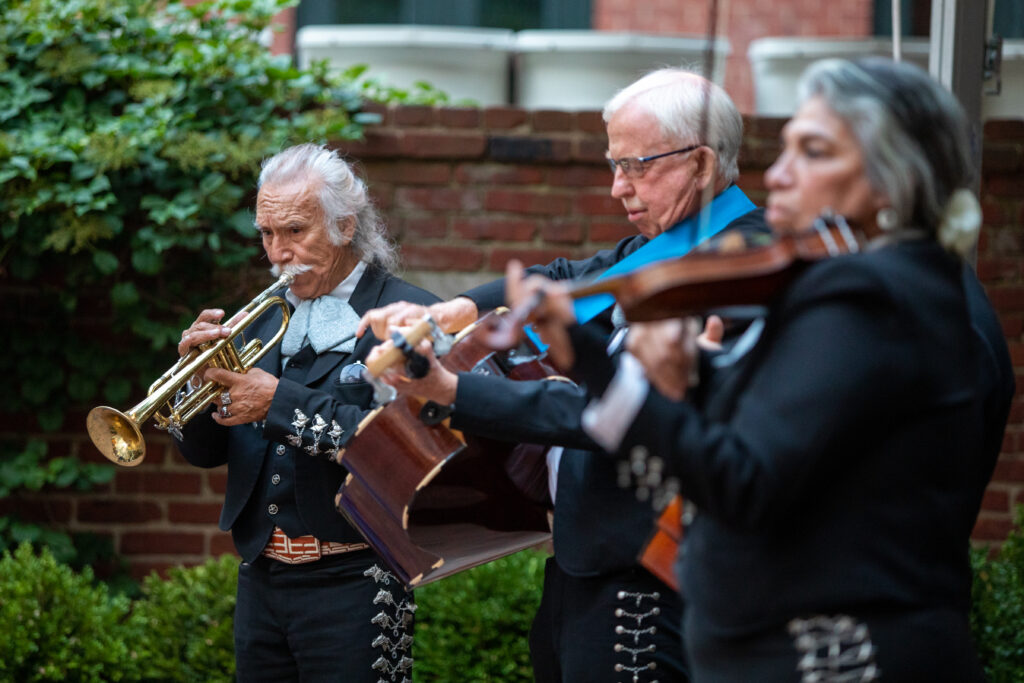
Guests enjoy a Mexican flavored celebration with live mariachi music, food and joyfulness.
Battle of Puebla
In 1862, Mexico was struggling with political and financial issues. Seeing this as an opportunity, France, under Emperor Napoleon III, decided to invade Mexico with the goal of establishing a French-controlled empire.
On May 5, 1862, a crucial battle took place near the city of Puebla, which is in central Mexico. The French army, which was larger and better equipped, faced off against the Mexican forces. The Mexican army was led by General Ignacio Zaragoza.
Despite being outnumbered and not as well-equipped, Zaragoza and his troops managed to defeat the French. This victory was significant because it showed that Mexico could stand up to a powerful foreign force.
The battle is named "The Battle of Puebla" because it occurred near the city of Puebla.
Naming battles after their locations is a common practice to remember where significant events took place.
General Ignacio Zaragoza, the leader of the Mexican forces, was born in what is now Goliad, Texas. He moved to Mexico with his family when he was young and became an important military leader in Mexico.
In Mexico, Cinco de Mayo, the date of this battle, is celebrated as a day of national pride and resilience. In the United States, Cinco de Mayo has evolved into a celebration of Mexican culture and heritage. The day is marked with festivities such as parades, music, dancing, and food. It's a time for people to enjoy and recognize Mexican traditions and contributions to American society.
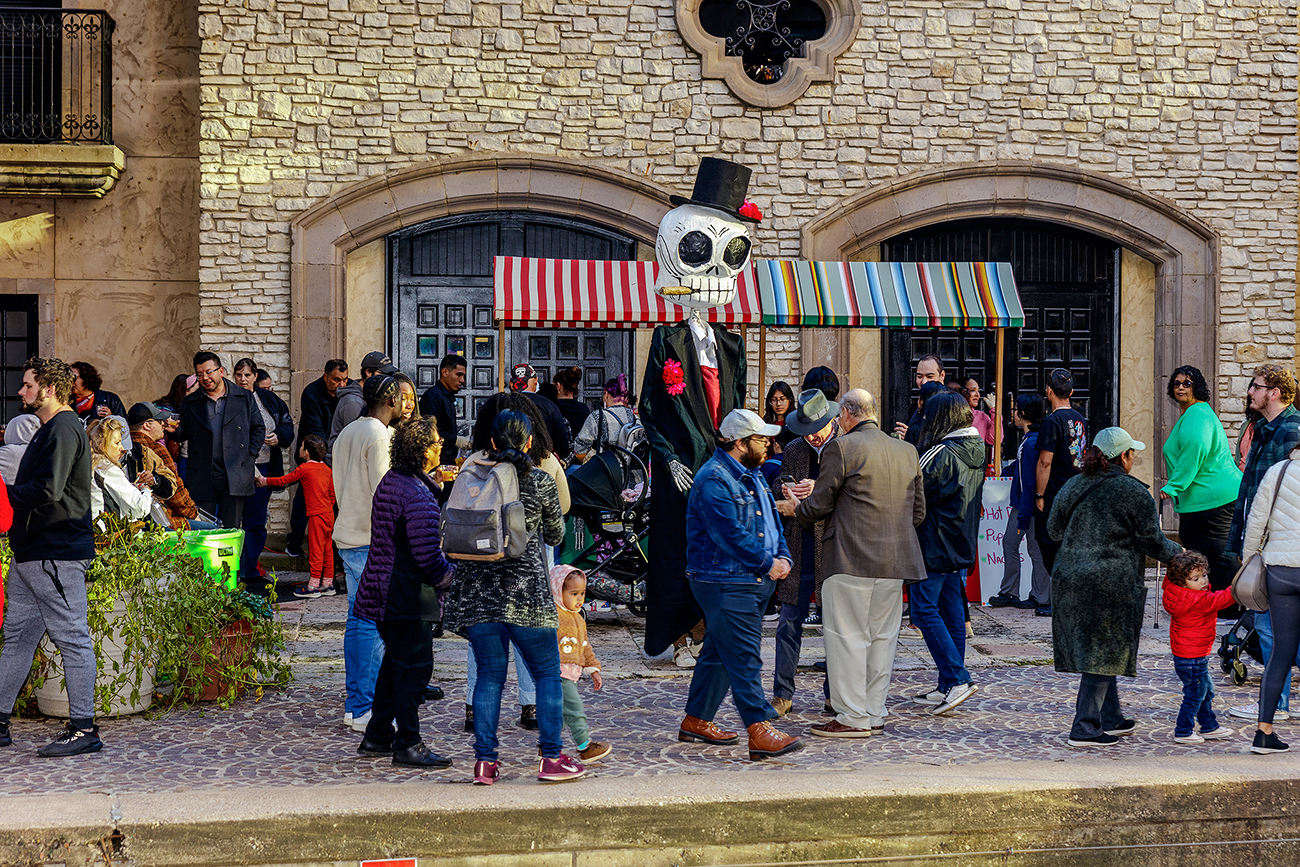
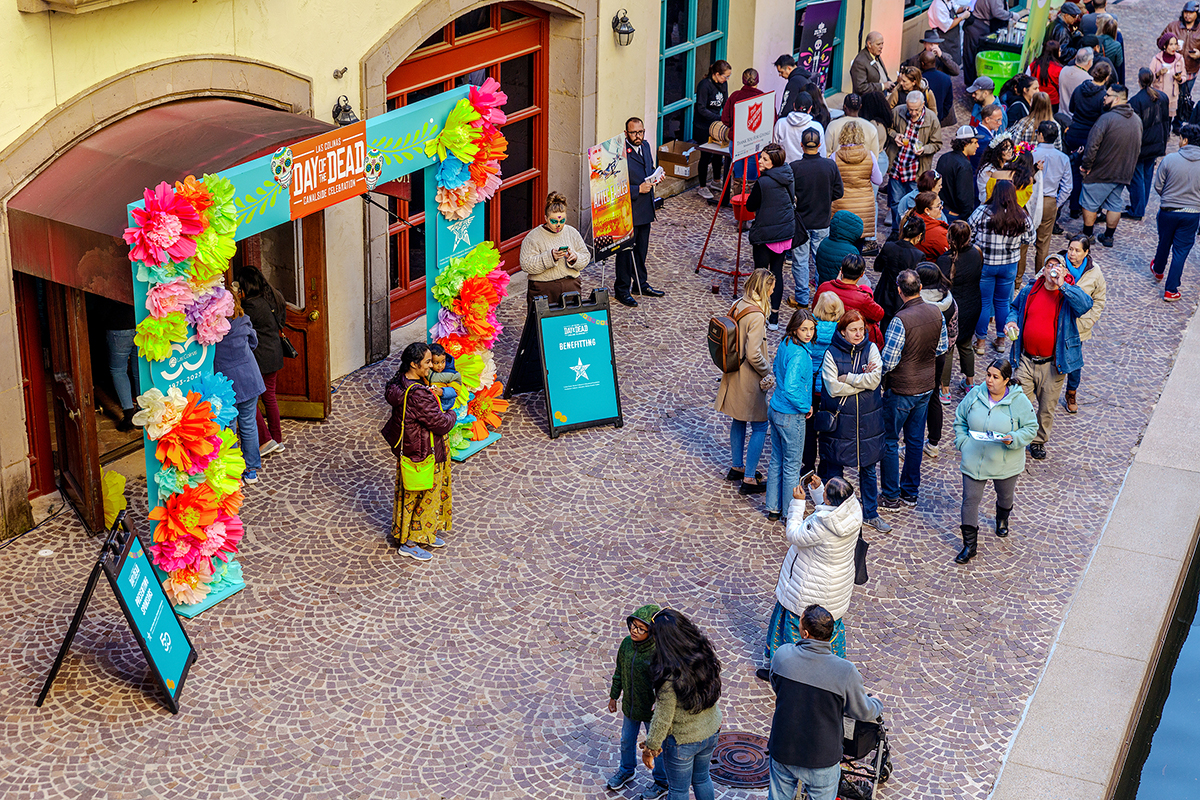
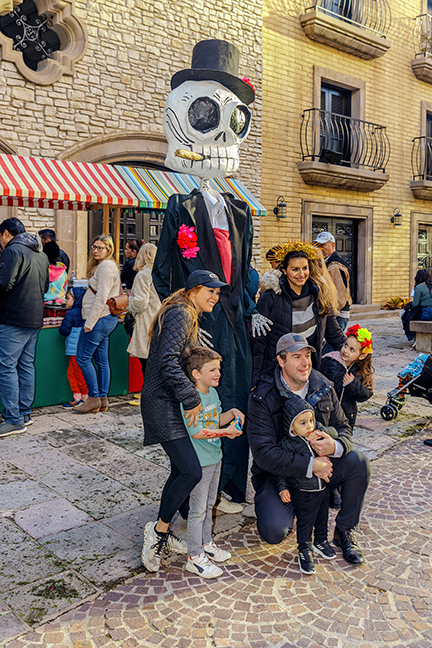
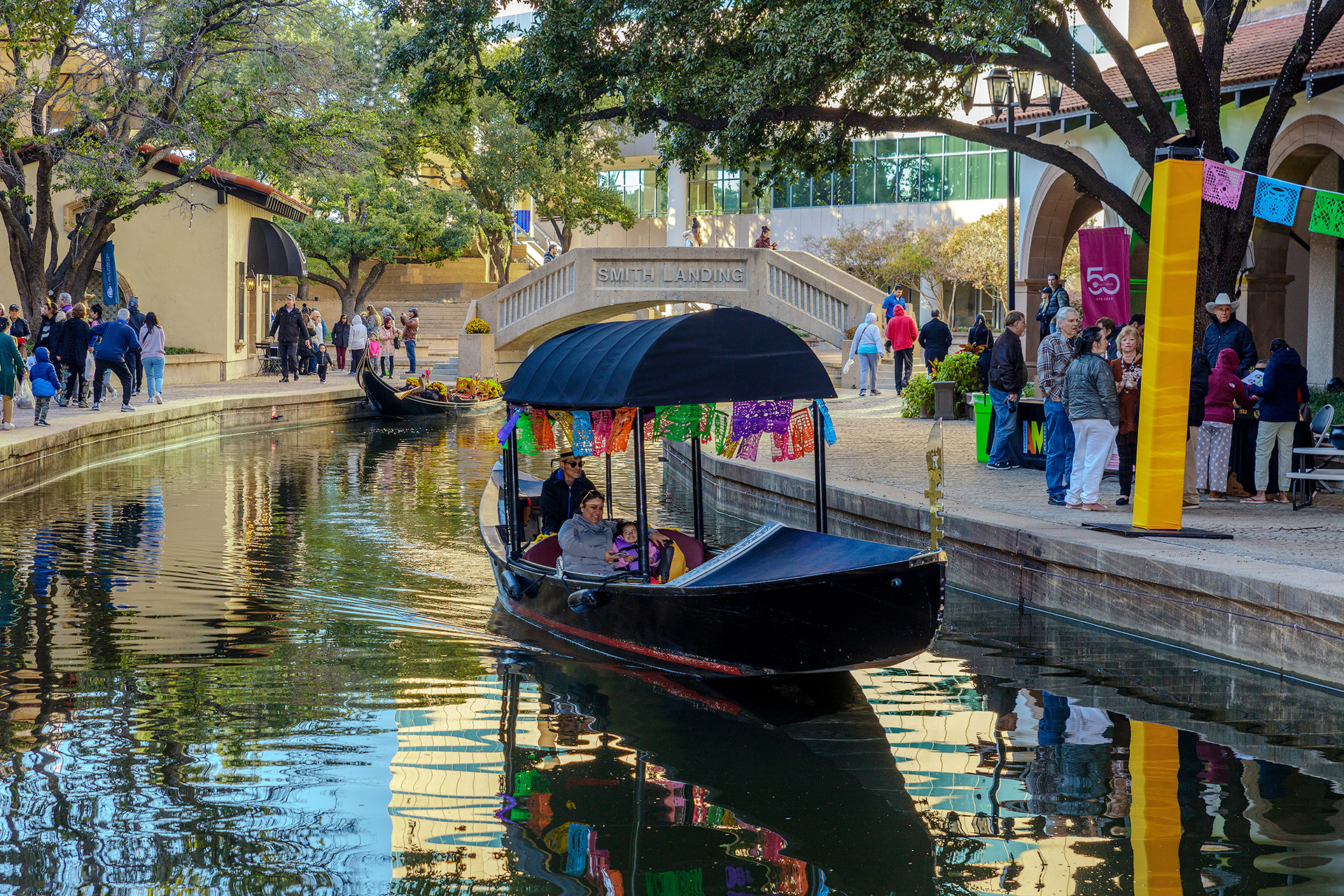
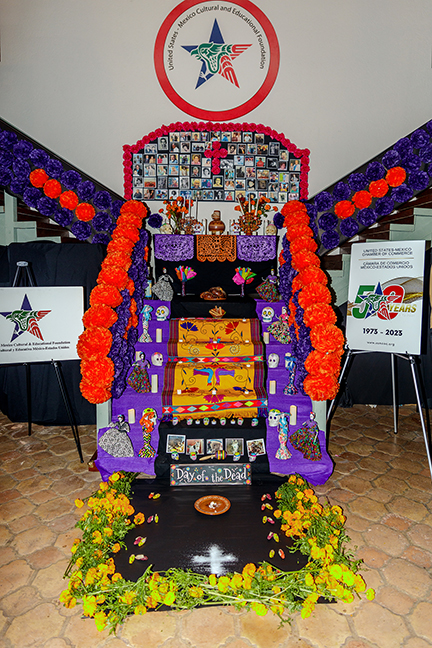
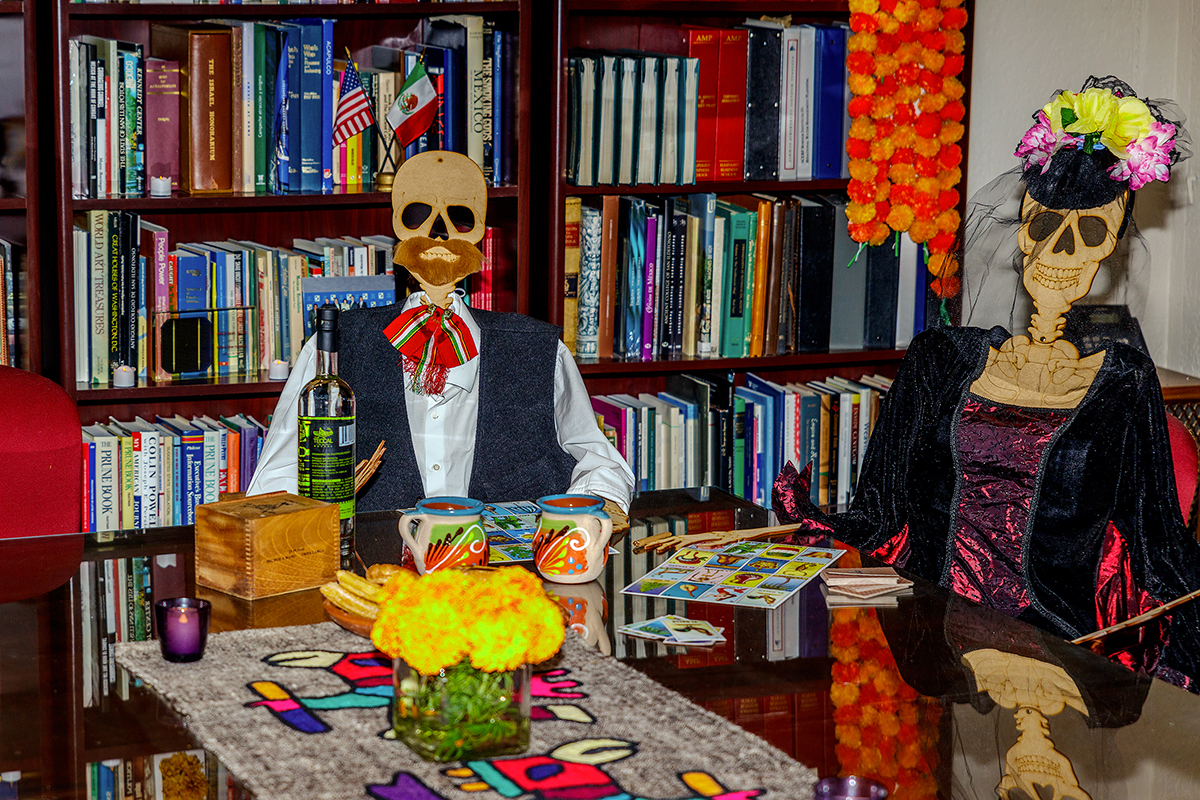
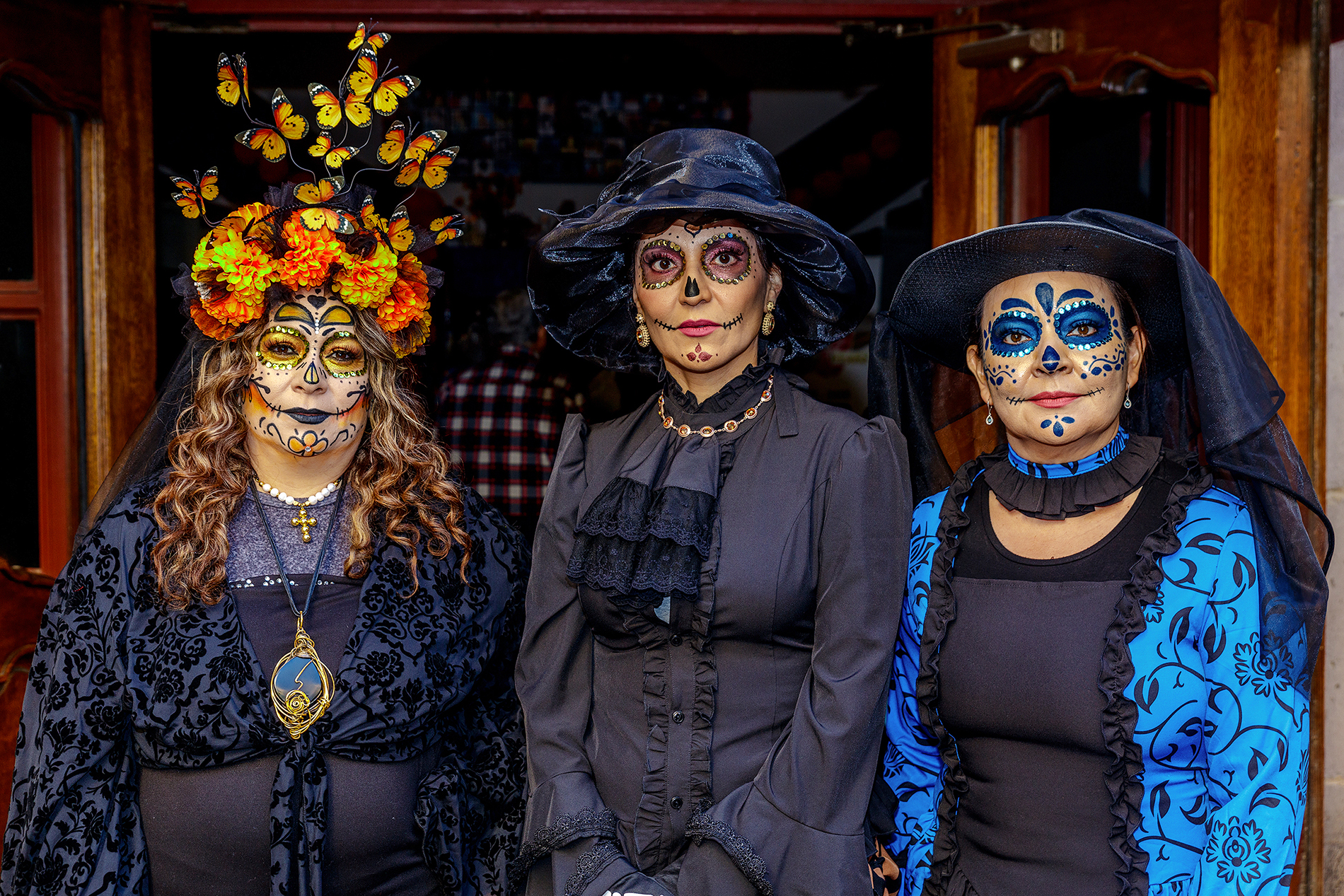
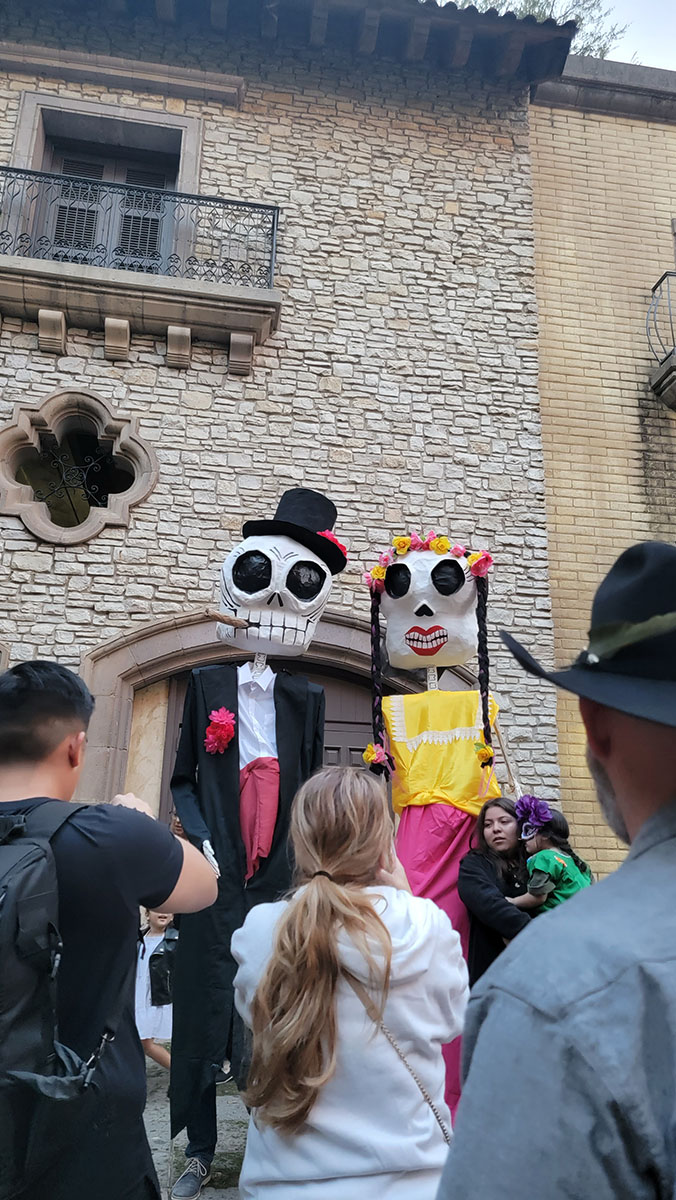
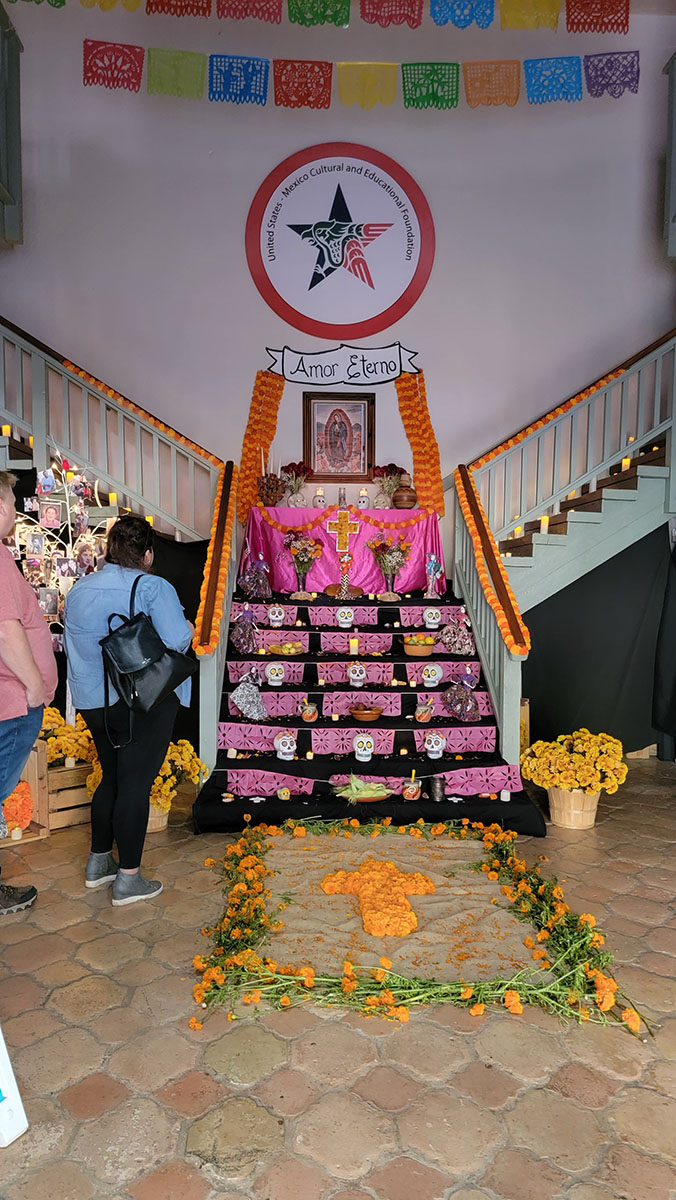
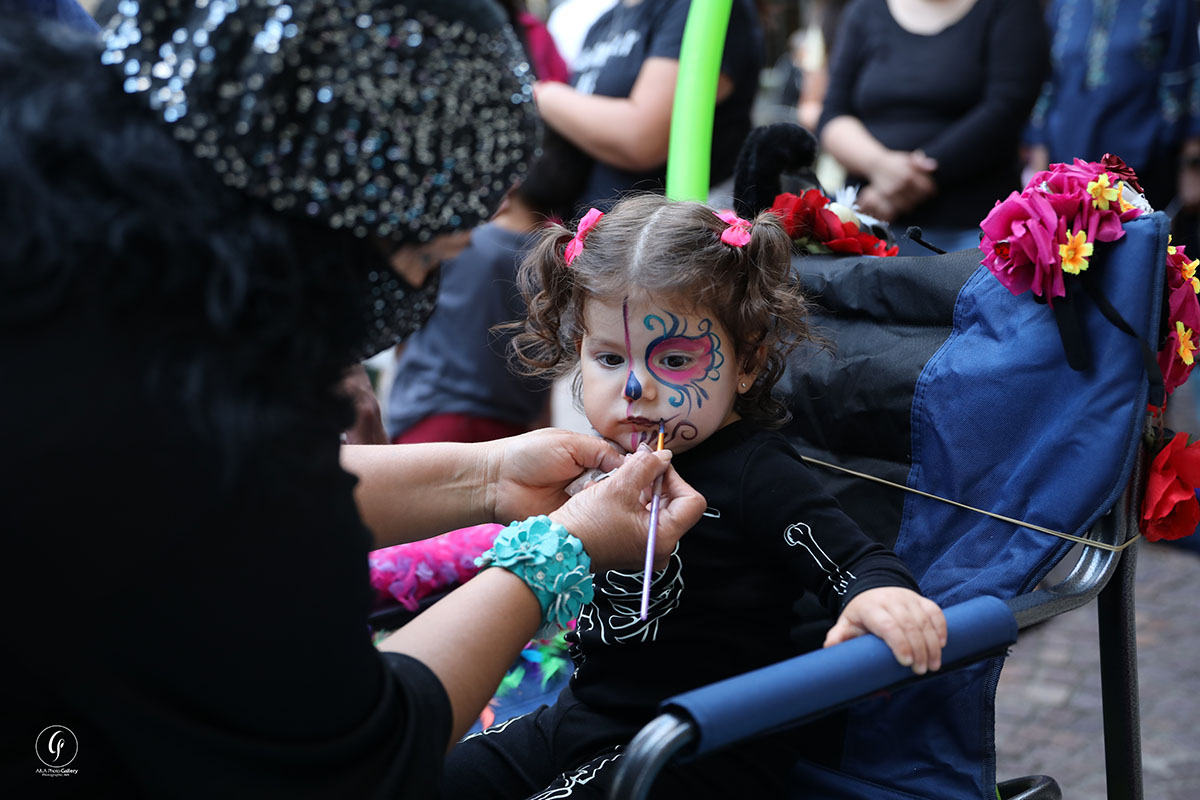
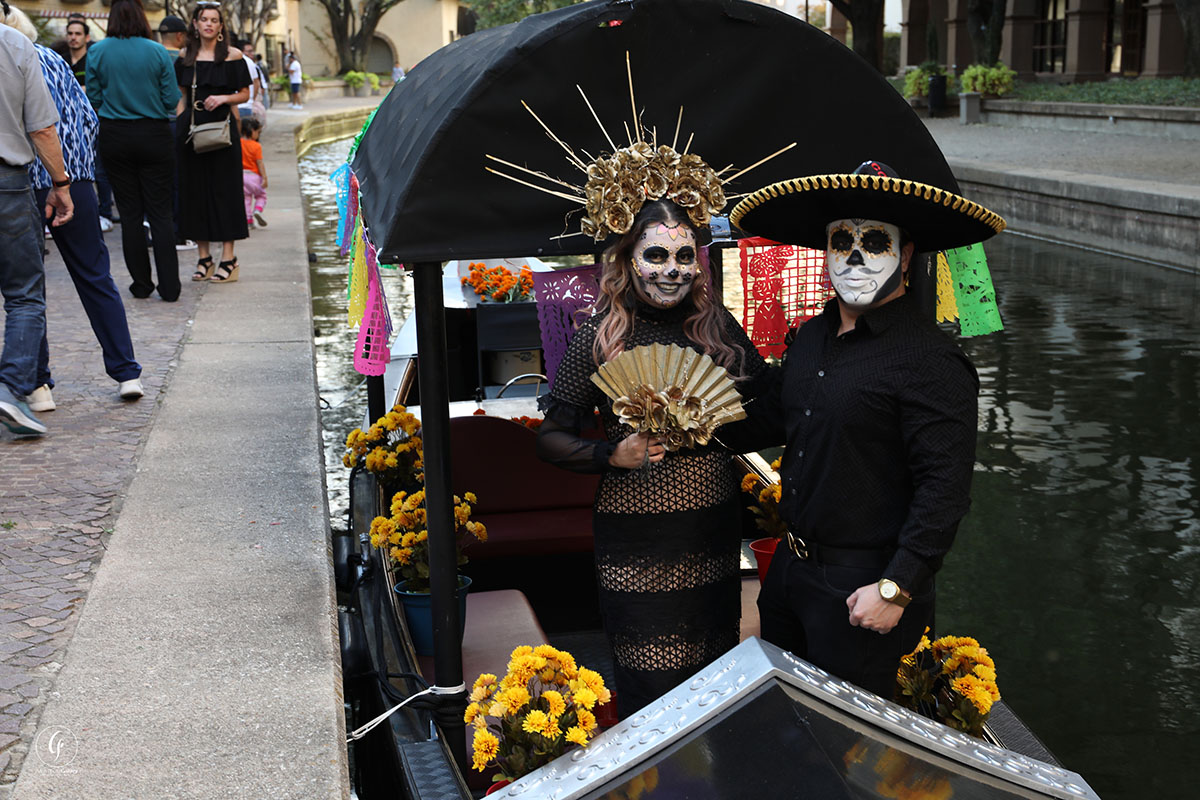
Day Of The Dead Las Colinas Day of The Dead Celebration on Mandalay Canal
The USMCEF sets up a traditional Mexican Ofrenda in Las Colinas-Irving, TX in celebration of Día de Muertos (Day of the Dead). This tradition is a fusion of pre-Hispanics and Catholic religious rites, and involves different elements, with perhaps the most visible one being the Ofrenda, an altar in honor of the deceased, in which families commemorate their loved ones by placing a photo surrounded by their favorite dishes and drinks, bread, sugar and chocolate skulls, paper-cut handcrafts, candles and flowers that help the departed find their way home.
This festivity of indigenous origins is an encounter between the living and the departed that inspires vibrant art expressions: poems, music, make up and Catrina attires, and in recent years this list also includes movies. Given its uniqueness the Day of the Dead has been inscribed in the List of Intangible Cultural Heritage of Humanity by the United Nations Educational, Scientific and Cultural Organization, and is now embraced in other countries where there is presence of Mexican Communities.
The USMCEF shares this cultural expression with the people in North Texas, and display Ofrenda open to the public to honor members of the community who are no longer with us.
In collaboration with Las Colinas Association, the Foundation hosts every year a celebration along Mandalay Canal, with vendors, food, live music, an authentic Ofrenda. This year, we have the State of Aguascalientes as special guests, and they will be presenting a unique musical performance, and bring a very distinct flavor to the celebration! Don’t miss it!
La Catrina
One of the most recognized characters associated with Day of the Dead is La Catrina. The character of La Catrina was created by political cartoonist Jose Guadalupe Posada -who was born in Aguascalientes- in 1910 and was seen as an elegant upper-class skeleton. During this period, she intended to make a statement on social class division and mortality in Mexico. Diego Rivera, a prominent Mexican artist, took the icon and created one of Mexico’s most notable works of art, Dream of a Sunday Afternoon in the Alameda Centra. La Catrina captivated the country and soon was known as the symbol of Día de los Muertos. In modern times, you can see her represented through face paint, placed on altars and involved in art.
Join us in this extraordinary Mexican festivity.
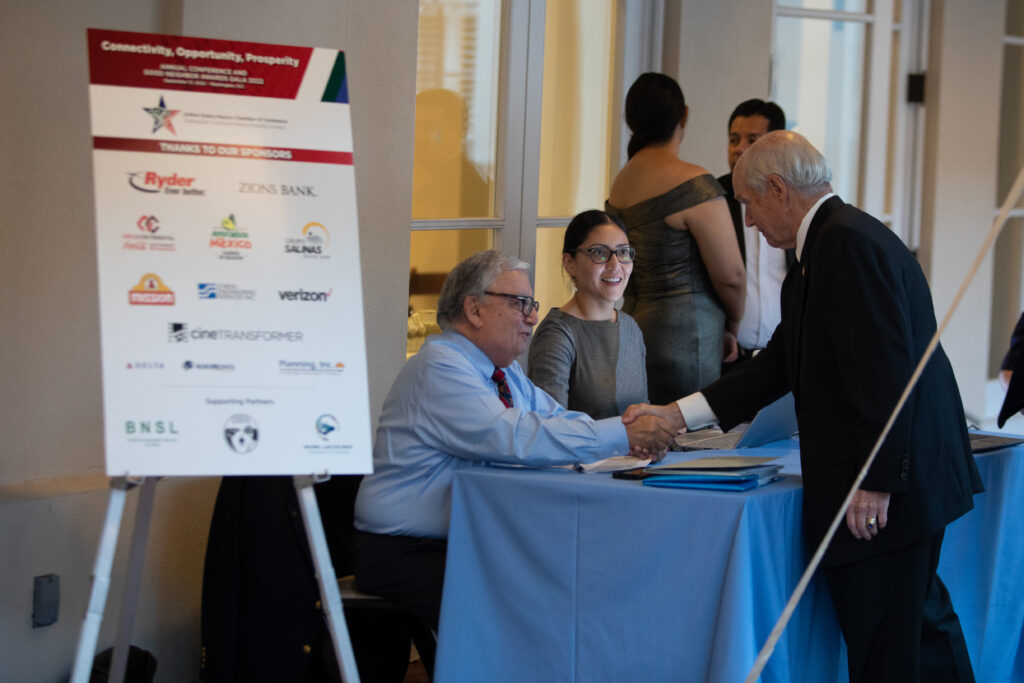


Good Neighbor Awards Gala
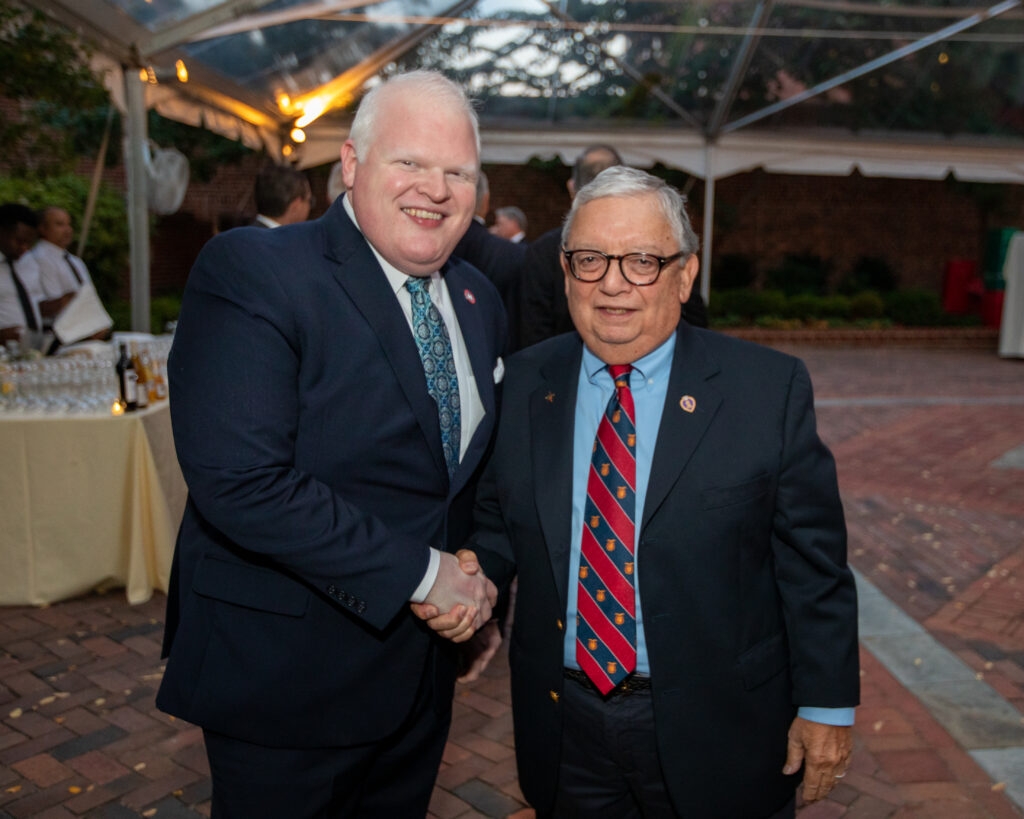
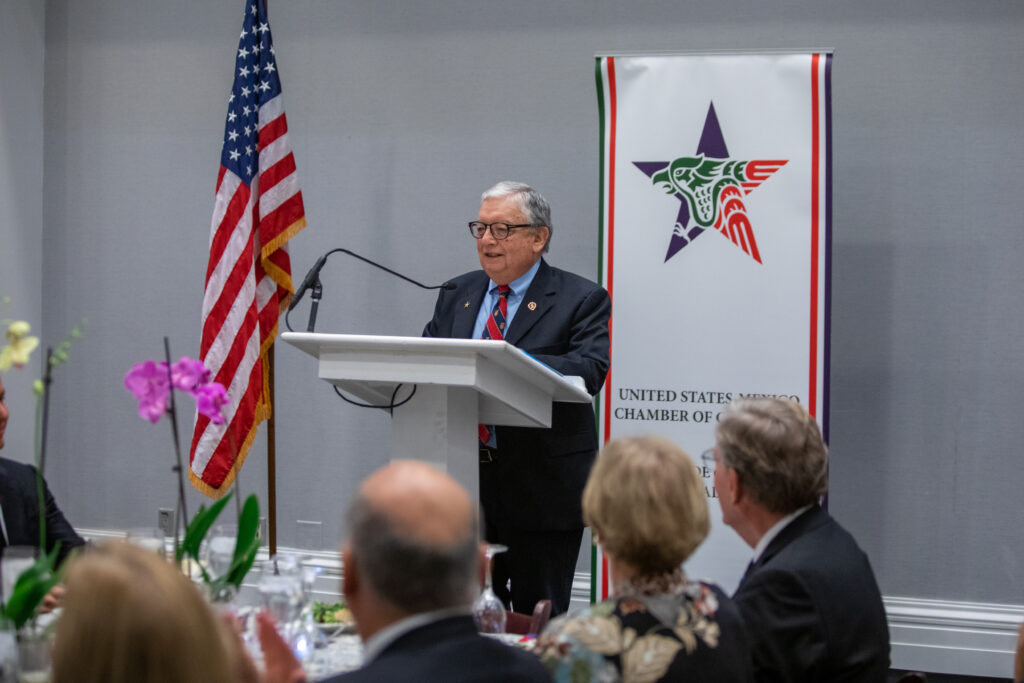
Each Year, in conjunction with its sister organization the United States-Mexico Chamber of Commerce (USMCOC), the USMCEF honors public and private sector leaders for their vision and commitment to mutually beneficial relations between Mexico and the United States.
Over a span of three decades, participants have gathered to witness the presentation of the Good Neighbor Award to ministers, ambassadors, governors, congressmen, former presidents, corporate CEOs, chairmen of organizations and others who have made a significant difference in U.S.-Mexico relations.
Under the patronage of the U.S. Mission to the Organization of American States, our black-tie awards gala will be celebrated at the magnificent location of the OAS Building, a venue that symbolizes a united hemisphere.